
Searching Fayette County Criminal Dockets
Indiana MyCase is the free public search for Odyssey summaries from Fayette Circuit Court and Fayette Superior Court. Use Case search for a cause number, citation, or cross-reference. Use Name search when only a party name is known. Limit the county to Fayette, choose Criminal & Citation, and narrow by court, status, or filing date. Search tips allow a trailing wildcard, while results are capped at 1,000.
MyCase is not the official record. Check the court code, file date, case type, status, and party role. If a Fayette County criminal docket lacks a needed order, use the clerk counter or court phone. Older records may require paper or terminal inspection.
- Open MyCase and choose Case or Name search.
- Select Fayette County and Criminal & Citation.
- Match 21C01 Circuit or 21D01 Superior.
- Read charges, events, settings, and disposition in date order.
- Request an official or certified record from the Fayette County Clerk when needed.
Fayette Criminal Case Codes
Fayette Odyssey numbers begin with county code 21. Circuit Court uses C01, while Superior Court uses D01. A safe felony pattern is 21C01-YYMM-F5-######. The remaining parts show a filing-date segment, case type, and sequence. MyCase says hyphens and leading zeroes are generally optional, though transfer can change a number.
The code helps distinguish similar names and routes a call to the right court. It does not prove a charge or outcome. Read the current type and complete chronology.
Note: The sample pattern contains no real party or sequence data.
Inside a Fayette Criminal Docket
A Fayette County criminal case summary has a header, parties and attorneys, dated events, hearing blocks, and financial or disposition fields. The charge block can show offense date, statute, description, degree, original charge, and modification. The Chronological Case Summary, or CCS, records filings and court action. A public event does not guarantee a public PDF.
| Header | Cause number, court, county, file date, type, status, and access flags. |
|---|---|
| Charges | Count, statute, description, degree, offense date, and original or modified fields. |
| CCS Events | Appearances, filings, motions, orders, clerk acts, and linked documents. |
| Hearings | Date, time, court, setting, officer, result, or cancellation reason. |
| Outcome | Plea, disposition, sentence, later orders, and appeal entries. |
Financial fields may show charges, credits, payments, and a balance date. They are not guaranteed complete, so the Fayette County Clerk supplies the official balance.
Fayette Charge Labels Explained
A charge block states an allegation, not the result. Compare original and current fields because a degree, statute, or description can change. A later order or disposition controls the outcome.
- OIH
- Order on initial hearing; read the full event and order.
- MOT
- Motion event family, not a ruling.
- ORD
- Order event family whose text explains the decision.
- APP
- Appearance or appearance-filing activity.
- Converted event
- Older-system migration marker, not a new hearing.
Indiana publishes no Fayette-specific master codebook. Full descriptions and signed documents matter more than short labels.
How a Criminal Case Moves
The Fayette County criminal docket often starts with an information or probable-cause filing, then an appearance and initial-hearing order. Bond, counsel, disclosure, motions, and special-judge activity may follow. Settings can include an initial hearing, pretrial conference, or jury trial. A canceled hearing or date-to-be-determined entry is not a current setting. Call the court to verify the newest noncanceled date.
Docket flow: Filing → Arraignment → Pretrial → Plea or Trial → Disposition → Sentencing
Post-disposition entries may include clerk transmissions or an appeal. The Court of Appeals of Indiana uses a separate appellate docket.
Fayette Criminal Filing Split
The official 2024 Indiana court statistics show 245 new criminal filings in Fayette Circuit Court and 666 in Fayette Superior Court. Circuit categories included felony levels, post-conviction, misdemeanor, and miscellaneous matters. Superior was led by Level 6 felony, misdemeanor, and miscellaneous categories. These are filings, not findings of guilt or a count of people.
The split is why a Fayette County search should cover both courts unless the cause number identifies one.
Courts That Hold Criminal Dockets
Fayette Circuit Court is the main felony and juvenile channel. Fayette Superior Court identifies misdemeanors and traffic-related felonies, plus traffic and ordinance matters. Odyssey lists 21C01 and 21D01, not a separate city criminal court.
The unified Fayette County Clerk maintains both records. Circuit Court at 765-825-1331 confirms Circuit settings. Superior Court at 765-825-1775 confirms Superior settings. Both courts and the clerk are on the second floor at 401 N Central Ave, Connersville, IN 47331. The court confirms a date; the clerk provides the official file.
Fayette Public Document Limits
A visible case header and CCS do not mean every filing is downloadable. Indiana's matrix permits selected orders, judgments, and document types by case category and audience. Protected identifiers and some probable-cause or participant details may be withheld. If a link is absent, ask the clerk whether the record can be inspected or copied.
The criminal access cross-reference appears below.
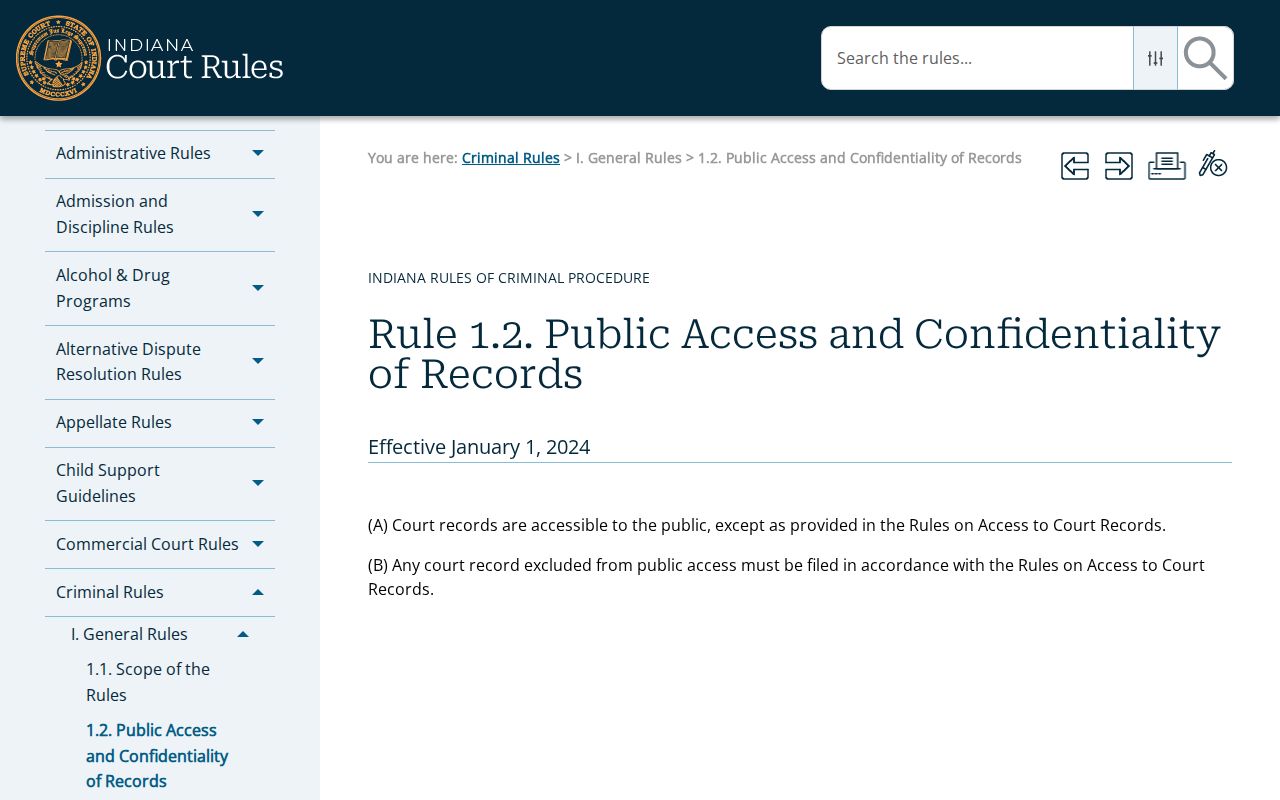
It directs criminal-file access questions to the statewide court-record rules.
Sealed Dockets and Public Access
Indiana Rule 4 starts with public access unless a law or rule excludes the record. Rule 5 lists excluded records. Rule 6 permits added exclusion by court order in extraordinary circumstances. A MyCase absence does not prove sealing; older conversion or online document limits can explain a gap.
Key Rules:
Rule 4 states general access.
Rule 5 identifies exclusions.
Rule 6 governs added exclusion.
Indiana Code 35-38-9 governs expungement access changes.
Protection-order, juvenile, adoption, paternity, mental-health, confidential family, and expunged material can be restricted. Follow the court process rather than asking the clerk to bypass it.
The captures show the excluded-record rule, court-order rule, and Indiana Access to Public Records Act.
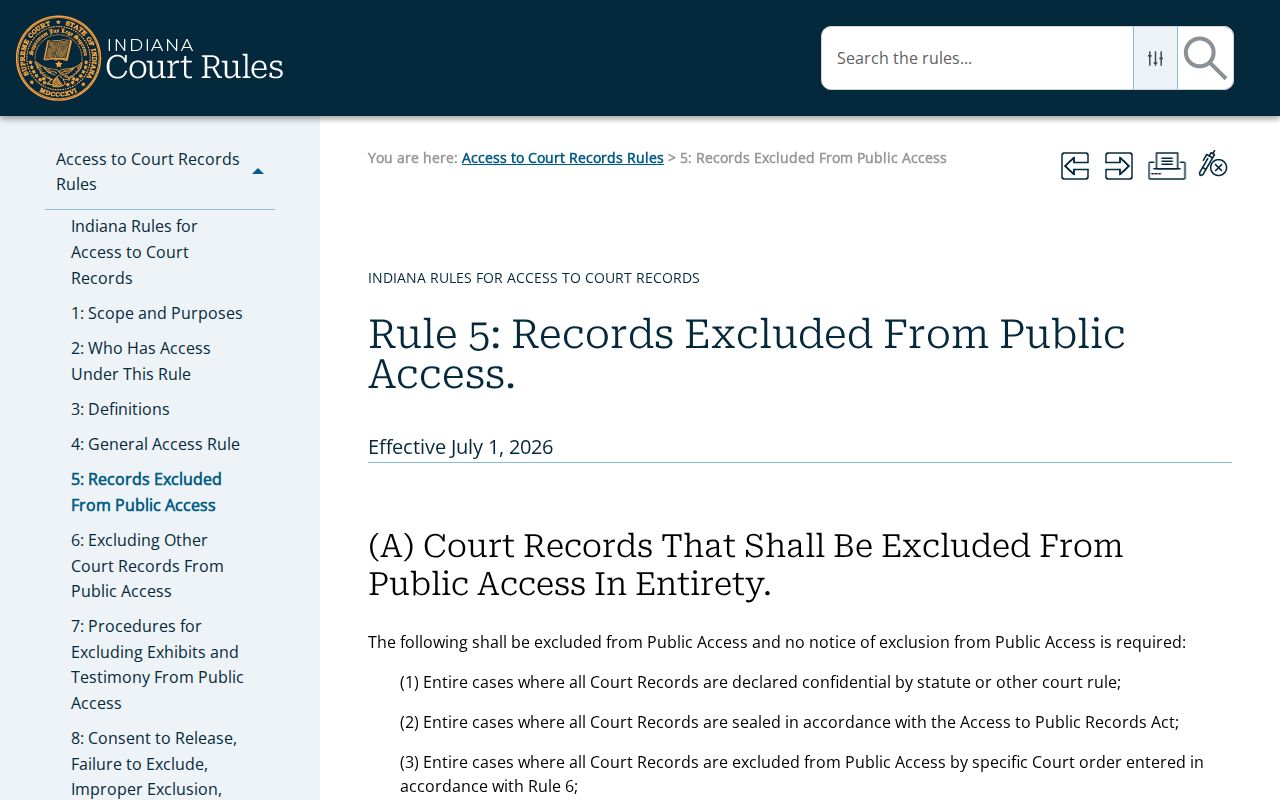
Rule 5 explains why the public docket can be narrower than the protected file.
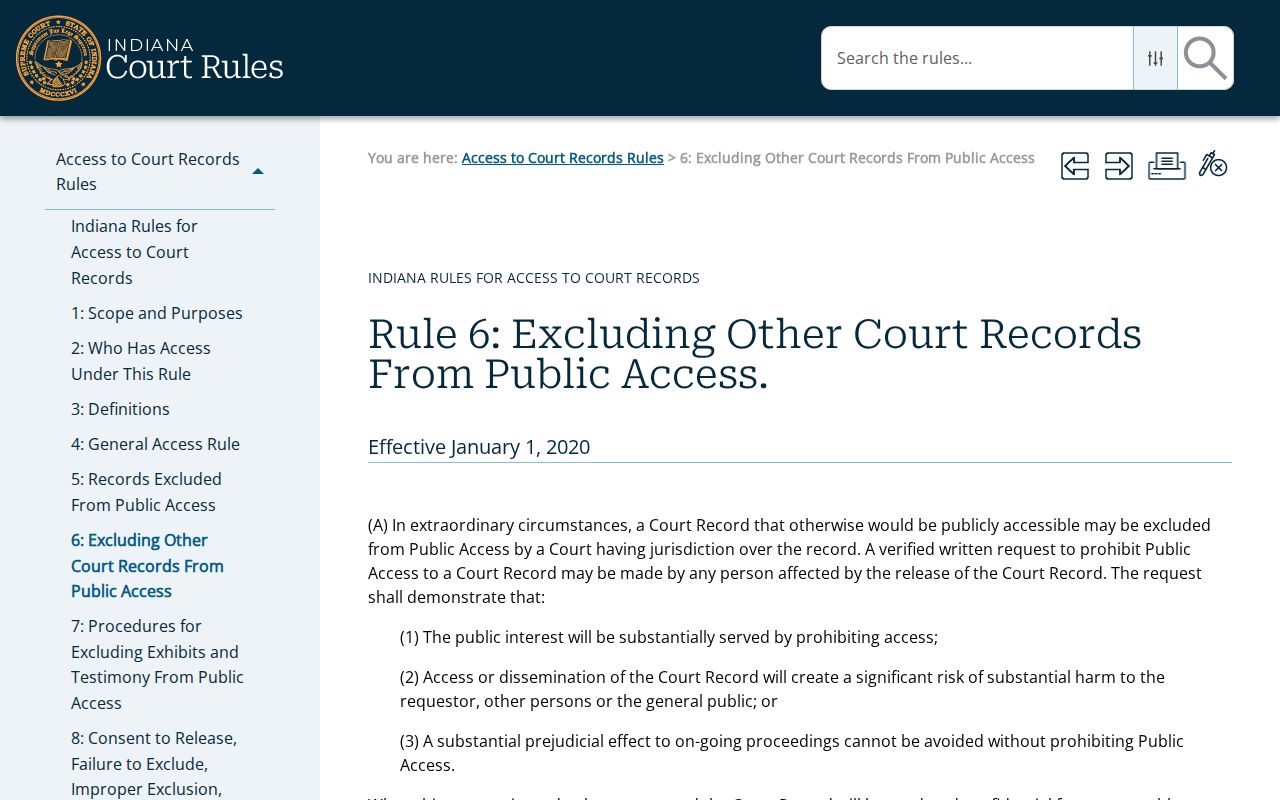
Rule 6 shows that extra exclusion requires court action.
The statute supplies the broader request framework.
Fayette Excluded Record Requests
A person seeking an excluded record must follow Rule 9. The written request, notice, and hearing process may apply. Identify the precise record and legal basis, then ask which judge and procedure control. The Rule 9 procedure is captured below.
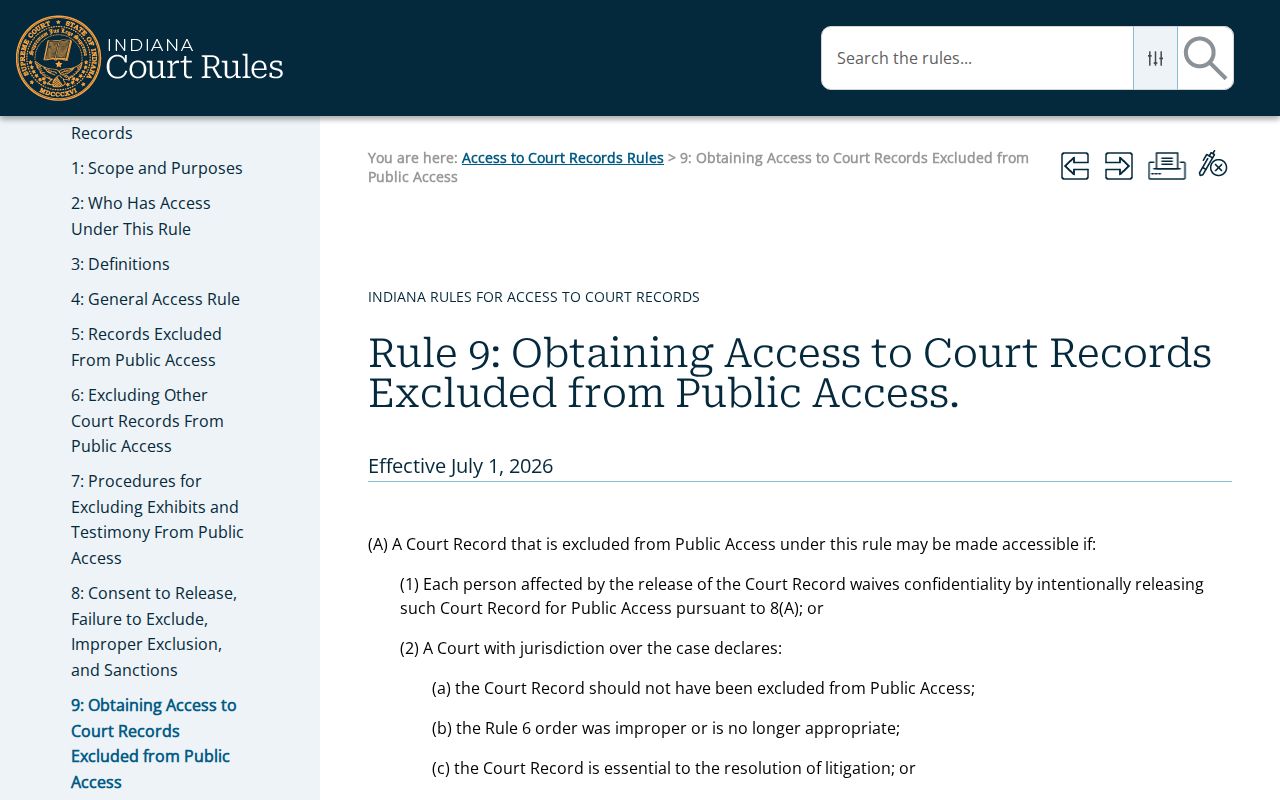
This formal route balances public access with the reason for exclusion.
The expungement chapter shown below explains why an old copy and current view may differ.
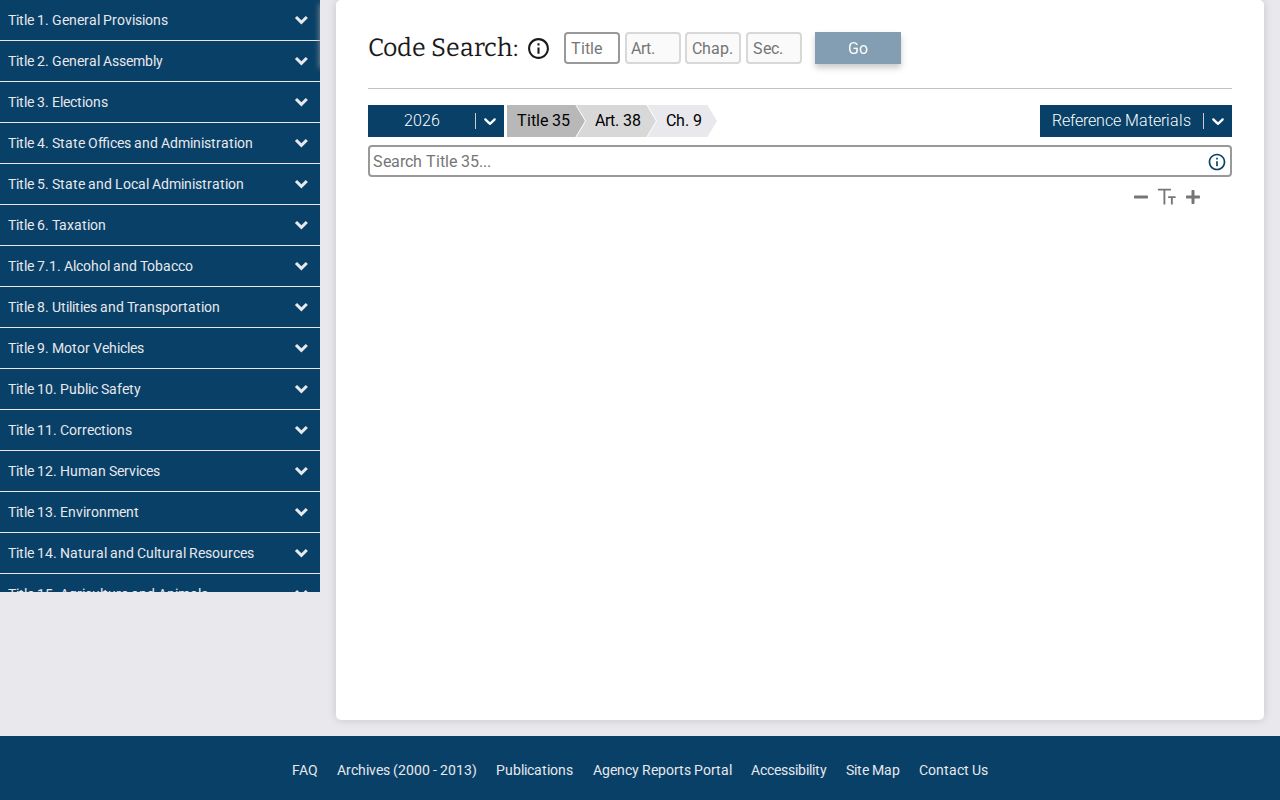
Ask the Fayette County Clerk for a current certified disposition or expungement order.